

How strong is the UAE economy right now? Banking, trade and investment tell the story
Business activity and investment growth reflect stable economic climate
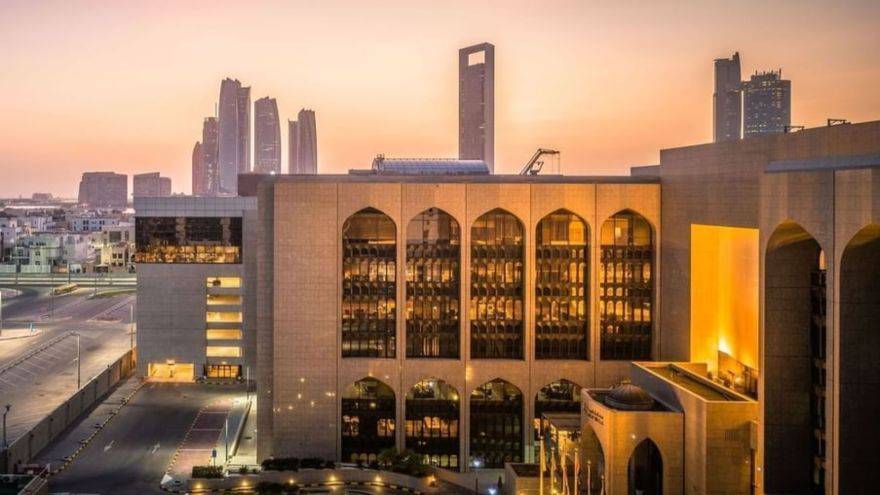
ABU DHABI – The UAE economy extended its upward trajectory in the opening months of 2026, supported by solid performance across the financial sector and sustained gains in foreign trade and investment.
Official data and international reports highlight a broad-based expansion that reinforces the country’s position as a stable and competitive global economic hub.
The latest indicators point to a resilient economic framework, underpinned by strong banking fundamentals, rising global trade integration and continued investor confidence. The UAE has also strengthened its standing as a flexible economy capable of adapting to shifting global conditions while maintaining growth momentum.
Banking strength
The financial and banking sector remains a central pillar of this expansion. According to the Central Bank of the UAE, total banking assets rose by 1.1 percent in February 2026 to exceed Dh5.472 trillion, up from Dh5.414 trillion in January.
Credit growth also continued to accelerate, increasing by 1.2 percent to reach Dh2.63 trillion, driven largely by a Dh20.6 billion rise in domestic credit. Deposits posted notable gains, climbing 1.9 percent to Dh3.4 trillion, while resident deposits grew by 1.7 percent to Dh3.098 trillion.
Key financial stability indicators remained comfortably above global benchmarks. The capital adequacy ratio stood at 17 percent at the beginning of March, while the liquidity coverage ratio exceeded 146.6 percent, reflecting strong buffers within the banking system.
This performance has also translated into international recognition. UAE banks featured prominently in Forbes’ 2026 list of the world’s best banks, including First Abu Dhabi Bank, Abu Dhabi Commercial Bank, Emirates Islamic, Emirates NBD and Commercial Bank of Dubai.
Global confidence
International rating agencies have reaffirmed confidence in the UAE’s economic strength. Moody’s maintained its Aa2 rating with a stable outlook following its review in March 2026, while S&P Global Ratings affirmed the country’s AA/A-1+ rating for both local and foreign currencies.
S&P highlighted the UAE’s robust fiscal position, supported by consolidated government net assets estimated at around 184 per cent of GDP in 2026. Government liquid assets were projected at approximately 210 per cent of GDP, underlining the country’s strong financial reserves.
The UAE’s global trade profile continues to expand under the Comprehensive Economic Partnership Agreements programme, which targets non-oil trade of Dh4 trillion by 2031. In the first quarter of 2026 alone, new agreements were signed with the Philippines, Nigeria, the Democratic Republic of the Congo and Gabon, further strengthening international trade links.
The country has also achieved a milestone by entering the world’s top ten merchandise exporters for the first time, ranking ninth globally according to the World Trade Organisation.
Trade momentum
Foreign trade figures reflect the scale of this growth. The UAE’s total foreign trade reached Dh6 trillion in 2025, marking a 15 percent increase compared to 2024. Trade in services surpassed Dh1.14 trillion for the first time, while non-oil merchandise trade surged by 27 percent to Dh3.8 trillion.
Investment activity has also remained strong. Mubadala Investment Company reported assets of Dh1.4 trillion, with cumulative returns exceeding 10 percent over five- and ten-year periods, reinforcing the resilience of its long-term investment strategy.
In the corporate sector, ADNOC entered the list of the world’s 100 most valuable brands, with its brand value rising 11 percent to $21.13 billion. The company has recorded growth of more than 350 percent since 2017, maintaining its position as the UAE’s most valuable brand for the eighth consecutive year.
Dubai’s global financial profile has also strengthened, reaching seventh place in the Global Financial Centres Index, its highest ranking to date, reflecting the emirate’s growing role as an international financial hub.
Business activity across the UAE continues to expand, with the total number of registered companies exceeding 1.45 million by the end of February. The Dubai Chamber of Commerce reported the addition of 2,709 new companies in March 2026 alone.
Sharjah recorded a 1 percent increase in issued and renewed licences during the first quarter, while Ajman issued 1,617 new licences and renewed 8,777 licences over the same period. Renewals in Ajman rose by 7 per cent year-on-year, signalling sustained commercial activity and confidence among businesses.
At the sovereign level, demand for government debt instruments remained strong. The March 2026 auction of dirham-denominated Treasury bonds saw an issuance of Dh1.1 billion, attracting bids worth Dh4.85 billion, equivalent to around 4.4 times the issuance size, reflecting robust investor appetite for UAE sovereign assets.